How Does the Kurkure Roaster Machine Work? Complete Working Principle Explained
Understanding how your machinery works is essential for optimizing production, troubleshooting issues, and training operators. In this detailed guide, we explain the complete working principle of the Kurkure Roaster Machine manufactured by Creative Industries in Siliguri, West Bengal. Whether you are a potential buyer evaluating the machine or an existing owner looking to understand your equipment better, this guide covers every aspect of the Kurkure Roaster Machine operation.
Overview of the Kurkure Roaster Machine
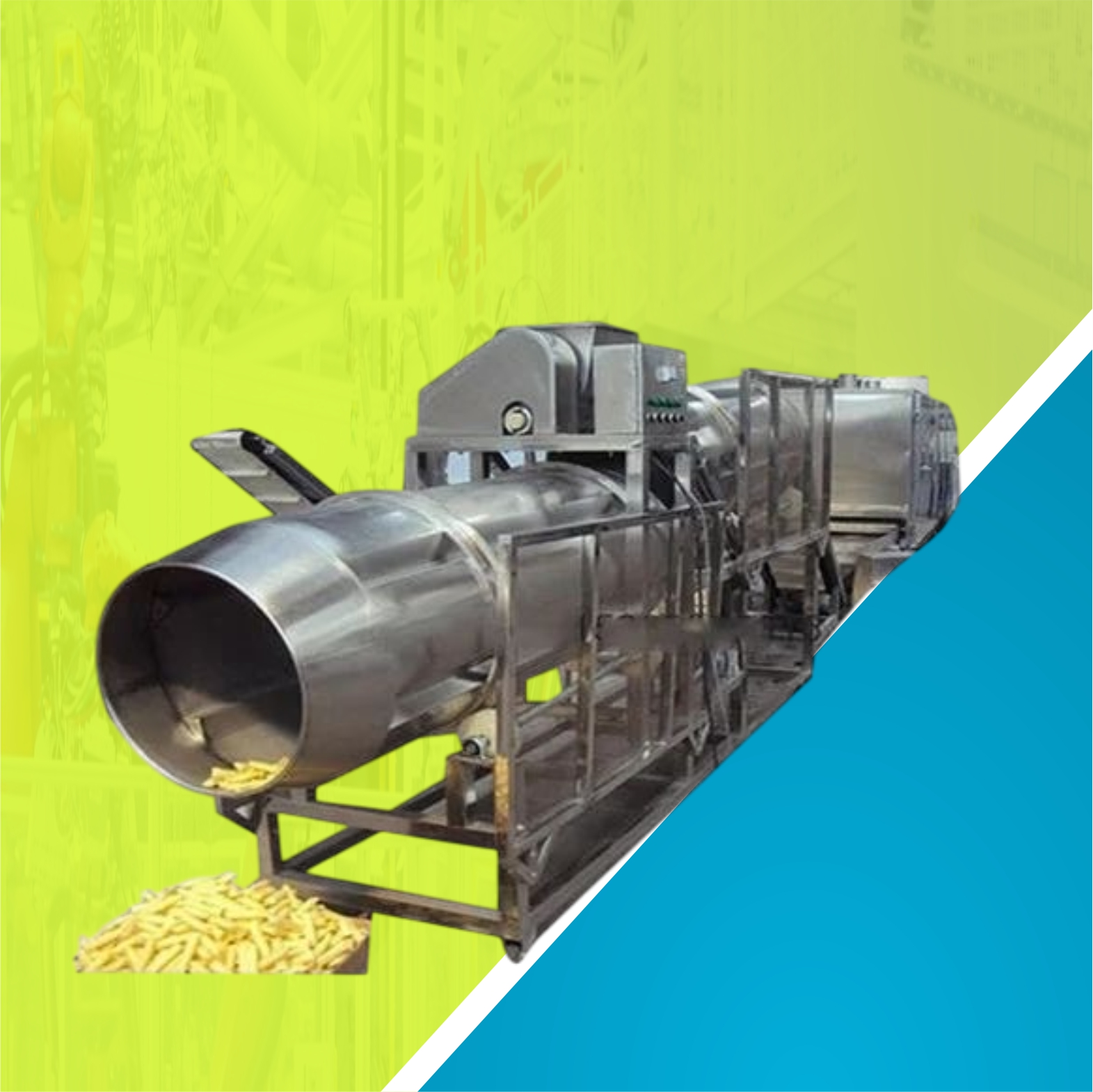
The Kurkure Roaster Machine is a otary Roaster designed for the Snacks & Namkeen Making Machines industry. It operates in ully Automatic mode, which means it combines automated processing with operator oversight for maximum flexibility and control. With a production capacity of 50-300 kg/hour and a power requirement of just .5 HP, the machine is engineered for efficiency without compromising on output quality.
Manufactured using premium-grade materials and precision-engineered components, the Kurkure Roaster Machine represents the latest in Indian machinery manufacturing. Creative Industries has invested years of R&D into developing a machine that is not only powerful and efficient but also easy to operate and maintain.
Key Components of the Kurkure Roaster Machine
Before diving into the working process, let us understand the major components that make the Kurkure Roaster Machine function:
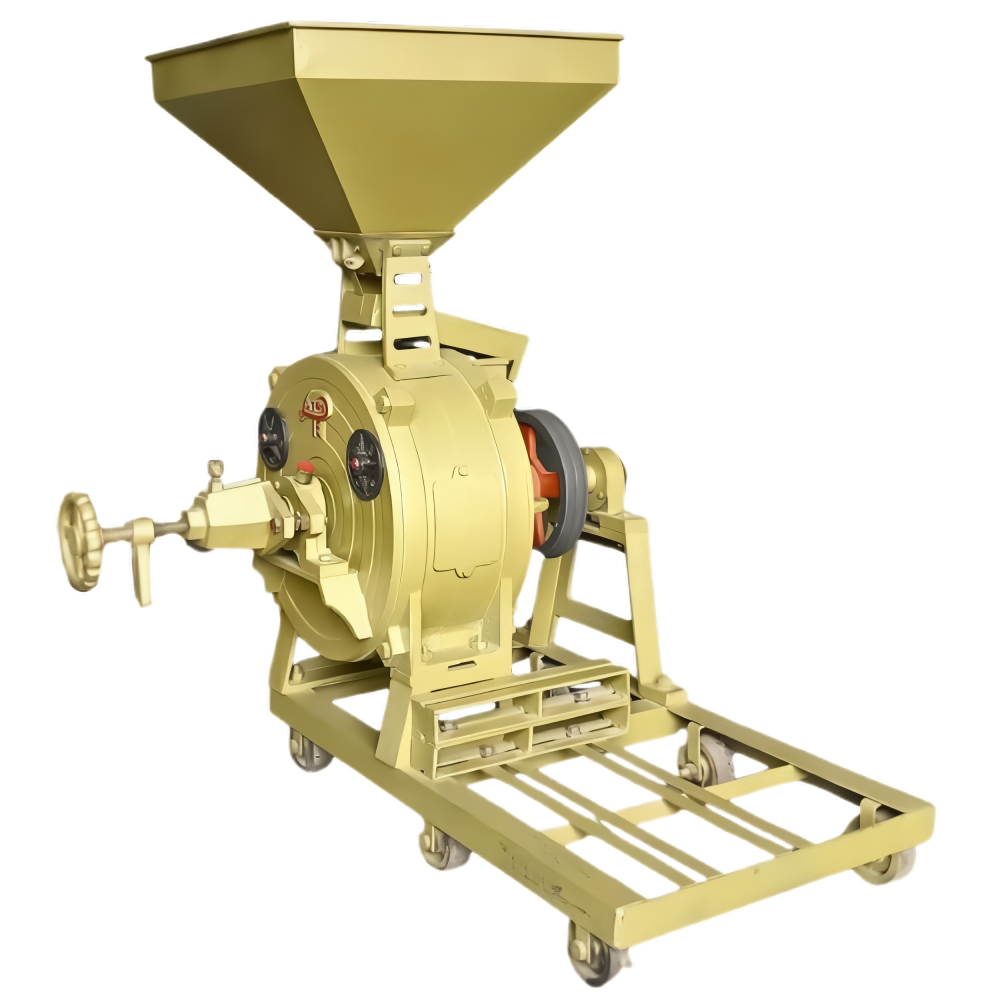
- Motor and Drive System: The heart of the machine. The motor provides the power needed for all operations. It is connected to a drive system that transfers rotational energy to the processing components. The motor runs on .5 HP and is designed for continuous industrial operation.
- Feed/Hopper System: This is where raw materials are loaded into the machine. The hopper is designed to hold a specific volume of material and feed it into the processing chamber at a controlled rate. This ensures consistent output quality and prevents material wastage.
- Processing Chamber: The core area where the actual transformation of raw material happens. Depending on the machine design, this chamber may contain rollers, blades, dies, heating elements, or other processing tools that work on the raw material to produce the final output.
- Control Panel: The operator interface for controlling machine speed, temperature, timing, and other parameters. The control panel on the Kurkure Roaster Machine is designed to be intuitive, allowing operators to make adjustments easily during production.
- Output/Collection System: The processed material exits the machine through the output system. This may include conveyor belts, collection trays, or chutes that guide the finished product to the packaging or collection area.
- Safety System: Includes emergency stop buttons, safety guards, overload protection, and limit switches. These systems are designed to protect operators and prevent damage to the machine during abnormal operating conditions.
Step-by-Step Working Process
Here is the complete step-by-step process of how the Kurkure Roaster Machine operates from start to finish:
Step 1: Machine Setup and Pre-Operation Checks
Before starting production, the operator performs a pre-operation checklist. This includes verifying the machine is clean, checking lubrication levels, ensuring all safety guards are in place, and confirming the power supply is stable. The operator then sets the required parameters on the control panel based on the specific product requirements.
Step 2: Raw Material Loading
Raw materials are loaded into the hopper or feed system. The Kurkure Roaster Machine is designed to accept materials in a specific form and size. The hopper holds the material and feeds it into the processing chamber at a controlled rate. The feed rate can be adjusted based on the desired production speed and output quality.
Step 3: Primary Processing
Once the material enters the processing chamber, it undergoes the primary processing stage. The motor-driven components work on the material according to the machine's design. This may involve pressing, cutting, mixing, heating, extruding, grinding, or any other process specific to the Kurkure Roaster Machine. The processing parameters are carefully controlled to ensure consistent output quality.
Step 4: Secondary Processing and Finishing
After the primary processing, the material moves to the secondary processing stage where it receives finishing touches. This may include shaping, smoothing, seasoning, cooling, or any other refinement process. The ully Automatic nature of the machine ensures this step is performed with precision and consistency that manual processing cannot match.
Step 5: Output Collection
The finished product exits the machine through the output system. It is collected in trays, bins, or directed to a conveyor belt for packaging. The output is checked for quality by the operator. Any material that does not meet the quality standards is separated for reprocessing.
Step 6: Quality Verification
Periodic quality checks are performed during production. The operator inspects the output for consistency in size, shape, texture, weight, or any other quality parameter. Adjustments to the machine settings can be made through the control panel to maintain optimal output quality.
Power Efficiency and Performance
One of the standout features of the Kurkure Roaster Machine is its power efficiency. Despite requiring only .5 HP to operate, the machine delivers a production capacity of 50-300 kg/hour. Creative Industries has achieved this through advanced motor technology, optimized gear ratios, and precision engineering that minimizes energy waste at every stage of the process.
The machine's design also incorporates heat management systems that prevent energy loss through thermal radiation. This means more of the electrical energy is converted into productive work, resulting in lower electricity bills and reduced operational costs for your business.
Safety Features Built Into the Kurkure Roaster Machine
Creative Industries prioritizes operator safety in every machine we manufacture. The Kurkure Roaster Machine includes multiple safety features:
- Emergency stop button for immediate machine shutdown
- Safety guards around all moving parts and pinch points
- Overload protection to prevent motor burnout
- Thermal overload relay for motor protection
- Ground fault protection for electrical safety
- Non-slip base plates for stable operation
These safety features make the Kurkure Roaster Machine one of the safest machines in its category. Businesses in Coimbatore, Surat, and across Delhi and Gujarat can operate the machine with confidence knowing that multiple layers of protection are in place.
Frequently Asked Questions
How does the Kurkure Roaster Machine produce output?
The Kurkure Roaster Machine uses a otary Roaster mechanism. Raw materials are fed into the processing chamber where the motor-driven components transform them into the final product through a series of controlled processing steps.
How much power does the Kurkure Roaster Machine consume per day?
With a power requirement of .5 HP, running the machine for 8 hours a day uses approximately the equivalent of that power rating per day. Actual consumption varies based on load and operating conditions.
Can the Kurkure Roaster Machine be operated by a single person?
Yes, the ully Automatic nature of the Kurkure Roaster Machine allows single-person operation for most applications. One operator can manage loading, monitoring, and collection simultaneously.
Is the Kurkure Roaster Machine suitable for continuous operation?
Yes, the Kurkure Roaster Machine is designed for continuous industrial operation. However, periodic breaks for cooling and maintenance checks are recommended to ensure optimal longevity and performance.